Search
QUIT SEARCH
No search query entered
Search
Enter part no, manufacturer part no, machine model or description
Browse by Application
Find parts to fit your specific Tractor Make/Model or Engine
Browse by Category
Select Engine Make
Recent:
Select Vehicle Make
Recent:
Toggle Nav


Search
Search
Important Notice
Malpas Tractors (Wrexham) Limited ceased trading in December 2024 and can no longer accept orders or enquiries.This website is no longer being operated on behalf of Malpas Tractors (Wrexham) Limited. It is retained for technical purposes only and is not connected in any way with the former business, its directors, or its administrators.A new website will be launched here in due course under separate ownership and branding. That business and website has no connection with Malpas Tractors (Wrexham) Limited or its former owners.Please do not direct any enquiries regarding Malpas Tractors (Wrexham) Limited to this website, as they cannot be answered.
Malpas Tractors (Wrexham) Limited ceased trading in December 2024 and can no longer accept orders or enquiries.This website is no longer being operated on behalf of Malpas Tractors (Wrexham) Limited. It is retained for technical purposes only and is not connected in any way with the former business, its directors, or its administrators.A new website will be launched here in due course under separate ownership and branding. That business and website has no connection with Malpas Tractors (Wrexham) Limited or its former owners.Please do not direct any enquiries regarding Malpas Tractors (Wrexham) Limited to this website, as they cannot be answered.
Mastering the Mechanics: A Comprehensive Guide to Tractor Clutches
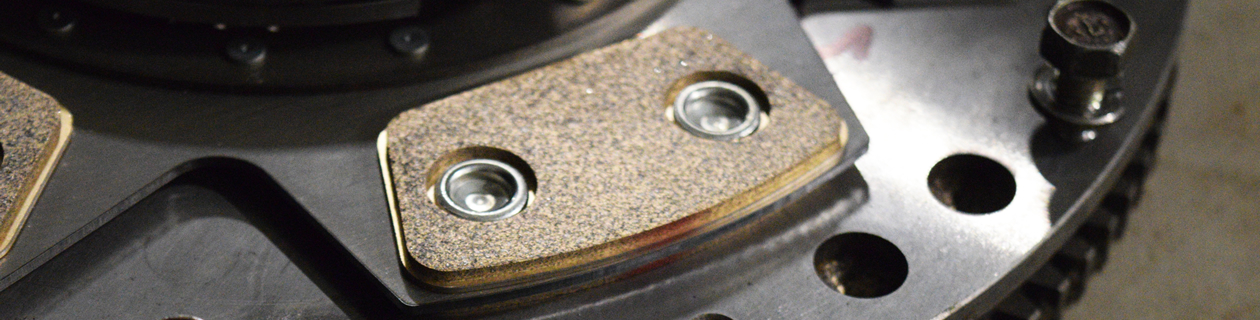
In the intricate world of agricultural machinery, the tractor remains a pivotal player. Among its numerous components, the clutch holds a place of critical importance, bridging the gap between raw power and effective fieldwork. This article delves into the heart of tractor mechanics, focusing specifically on tractor clutches - their design, functionality, and maintenance. As we explore the nuances of this essential component, we aim to provide farmers, mechanics, and agricultural enthusiasts with a deeper understanding of how a tractor clutch operate, their common issues, and maintenance tips to ensure optimal performance and longevity. Whether you're a seasoned farmer or new to the field, our comprehensive guide to tractor clutches is your go-to resource for mastering these mechanical marvels.
View All Clutch Components >Types of clutch systems fitted to tractors
Tractors can be equipped with various types of clutches, each designed to suit different needs and applications. The main types of clutches used in tractors are:
Dry Clutch: Most common in tractors, a dry clutch operates in a dry environment, without lubrication. It usually consists of one or more friction discs pressed tightly against the flywheel by the pressure plate. Dry clutches are known for their simplicity and effectiveness in transferring power.
Wet Clutch: Wet clutches are immersed in a cooling lubricating fluid, which reduces wear and tear and helps in managing heat better. They are often used in tractors that require heavy-duty or continuous work, as they are more durable and can handle higher loads without overheating.
Multi-Plate Clutch: As the name suggests, this type of clutch has multiple friction plates, which allows for a smaller diameter clutch to transmit the same amount of torque. This design is more compact and can be either dry or wet. Multi-plate clutches are commonly found in high-performance tractors.
Single-Plate Clutch: This is the most basic and widely used type of clutch in standard tractors. It consists of a single plate with friction surfaces on both sides. It's simple, effective, and relatively easy to maintain.
Dual Clutch: Dual clutches are essentially two clutches in one unit. One clutch controls the odd gears, and the other controls the even gears, allowing for smoother and quicker gear shifts. This type of clutch is more common in modern, advanced tractors.
Centrifugal Clutch: This type of clutch uses centrifugal force to engage the gears. As the engine speed increases, weights on the clutch move outward, pressing the clutch plate against the flywheel. They are less common in tractors but can be found in specific applications.
Hydraulic Clutch: This clutch type uses hydraulic fluid pressure to engage and disengage the clutch. It allows for smoother operation and requires less physical effort from the operator. Hydraulic clutches are often found in modern tractors with advanced transmission systems.
Power Shift Clutch: Integrated into some advanced tractor transmissions, power shift clutches allow for shifting gears without the operator needing to use a conventional clutch pedal. This is particularly useful for tasks that require constant changes in speed and direction.
Each type of clutch has its advantages and is chosen based on the specific needs of the tractor's operation, such as the type of work it does, the environment in which it operates, and the level of performance required.
A tractor's clutch system explained
The clutch system in a tractor is a critical component that allows the operator to effectively engage and disengage the engine from the transmission, thereby controlling power output and enabling gear shifts. The main parts of a tractor's clutch system include:
- Flywheel: Attached to the engine's crankshaft, the flywheel provides a surface against which the clutch disc presses. It helps in maintaining the engine's momentum and aids in smooth engagement and disengagement of the clutch.
- Clutch Disc: This is the part of the clutch that actually engages with the flywheel. It's coated with a friction material that grips the flywheel when engaged, allowing the transmission of power from the engine to the transmission. When disengaged, it breaks the power connection, allowing for gear changes or idling.
- Pressure Plate: The pressure plate is a spring-loaded device that presses the clutch disc against the flywheel when the clutch is engaged. When the clutch pedal is depressed, the pressure plate releases tension, allowing the clutch disc to disengage from the flywheel.
- Release (Throw-out) Bearing: This bearing applies and releases the pressure from the pressure plate. When the clutch pedal is pressed, the release bearing pushes against the pressure plate, allowing the clutch disc to disengage.
- Clutch Pedal: This is the part the operator interacts with. Pressing the clutch pedal engages the release mechanism (like the release bearing), which in turn disengages the clutch disc from the flywheel, interrupting power transmission.
- Clutch Fork (or Lever): This mechanical lever transfers the movement of the clutch pedal to the release bearing. It's a critical linkage in the system, ensuring the correct operation of the clutch engagement and disengagement process.
- Pilot Bearing/Bushing: Located in the center of the flywheel, this component supports the far end of the transmission input shaft, ensuring its proper alignment and smooth operation.
- Clutch Linkage: This includes a series of mechanical links, rods, or cables (or hydraulic systems in some modern tractors) that transmit the motion of the clutch pedal to the clutch assembly.
These components work in unison to control the power flow from the engine to the transmission, and their proper functioning is vital for the smooth operation of a tractor. Regular maintenance and timely replacement of worn-out parts are essential for the longevity and efficiency of a tractor's clutch system.
Troubleshooting clutch problems
Several issues can arise with a tractor's clutch, impacting its performance and functionality. Here are some common problems:
- Slipping Clutch: This occurs when the clutch disc fails to engage the flywheel properly, causing a loss of power transmission from the engine to the transmission. It can be due to worn clutch discs, oil or grease on the disc, or weak pressure plate springs.
- Sticking Clutch: A clutch that doesn't release properly can cause difficulty in changing gears. This might be due to a seized pilot bearing/bushing, a warped pressure plate, or issues with the clutch linkage or hydraulic system.
- Hard Clutch Pedal: If the clutch pedal becomes hard to press, it could indicate problems with the clutch cable (if present), the hydraulic system, or the clutch linkage. It could also be due to a failure in the pressure plate mechanism.
- Noisy Clutch Operation: Noises like grinding or squealing when engaging or disengaging the clutch could be due to a worn release bearing, damaged clutch fork, or issues with the clutch disc itself.
- Dragging Clutch: This happens when the clutch disc fails to disengage fully from the flywheel, making it hard to shift gears. This could be due to a misalignment of the clutch components, a warped clutch disc, or hydraulic system issues.
- Clutch Vibrations: Vibrations or shuddering when engaging the clutch can be caused by a damaged or misaligned clutch disc, issues with the flywheel, or problems with the transmission input shaft.
- Clutch Burning Smell: A burning smell from the clutch area typically indicates excessive friction, which can be due to slipping or riding the clutch (keeping the clutch partially engaged).
- Fluid Leaks (in Hydraulic Clutches): Leaks in the hydraulic system can lead to clutch malfunction, making it difficult to engage or disengage the clutch.
Regular maintenance and proper use are key to preventing many of these issues. If any of these problems are noticed, it's advisable to have the clutch inspected and repaired by a professional to avoid further damage and ensure safe operation. Care should be taken when sourcing tractor clutch components, ensure you buy the correct part from either your local tractor dealership or from a reputable online selling who sells quality replacement parts.
We have covered various aspects of tractor clutches. We began with a discussion on the main parts of a tractor's clutch system, which includes components like the flywheel, clutch disc, pressure plate, release bearing, clutch pedal, clutch fork, pilot bearing, and clutch linkage. We then explored common issues that can occur with tractor clutches, such as slipping, sticking, hard pedals, noise, dragging, vibrations, burning smells, and fluid leaks in hydraulic clutches. Regular maintenance was emphasized as crucial for preventing these issues.
Lastly, we discussed the different types of clutches fitted to tractors, including dry, wet, multi-plate, single-plate, dual, centrifugal, hydraulic, and power shift clutches. Each type was explained in terms of its design, functionality, and typical applications, highlighting how they are chosen based on the tractor's operational needs and performance requirements.
Disclaimer: MalpasDirect (Malpas Tractors Ltd, Curvica Ltd) does not provide any warranty or guarantee as to the accuracy of any information on this website and cannot accept liability for any errors or omissions. The information in this article are for general information purposes only. It does not constitute legal, technical and/or commercial advice and should not be relied upon as such. Specific advice should always be sought separately. Despite the our best efforts the information provided in this article may not be accurate, up to date or applicable to the circumstances of any particular case. MalpasDirect (Malpas Tractors Ltd, Curvica Ltd) also make no representations or warranties of any kind regarding the completeness or accuracy of the information contained herein and accepts no liability for loss or damage whatsoever and howsoever arising from reliance on it, regardless of whether such information originates from MalpasDirect (Malpas Tractors Ltd, Curvica Ltd). MalpasDirect (Malpas Tractors Ltd, Curvica Ltd) has no control over the content on any other website accessed through this website and accepts no liability for any loss or damage whatsoever and howsoever arising from reliance upon the content of such websites. MalpasDirect (Malpas Tractors Ltd, Curvica Ltd), regarding the content on the website cannot be liable to any person for any loss or damage which may arise from the use of the information contained in this article or on this website. These exclusions of liability will not apply to damages arising from death or personal injury caused by the negligence of MalpasDirect (Malpas Tractors Ltd, Curvica Ltd) or any of its employees or agents or of a reviewer or contributor of content.