Search
QUIT SEARCH
No search query entered
Search
Enter part no, manufacturer part no, machine model or description
Browse by Application
Find parts to fit your specific Tractor Make/Model or Engine
Browse by Category
Select Engine Make
Recent:
Select Vehicle Make
Recent:
Toggle Nav


Search
Search
Important Notice
Malpas Tractors (Wrexham) Limited ceased trading in December 2024 and can no longer accept orders or enquiries.This website is no longer being operated on behalf of Malpas Tractors (Wrexham) Limited. It is retained for technical purposes only and is not connected in any way with the former business, its directors, or its administrators.A new website will be launched here in due course under separate ownership and branding. That business and website has no connection with Malpas Tractors (Wrexham) Limited or its former owners.Please do not direct any enquiries regarding Malpas Tractors (Wrexham) Limited to this website, as they cannot be answered.
Malpas Tractors (Wrexham) Limited ceased trading in December 2024 and can no longer accept orders or enquiries.This website is no longer being operated on behalf of Malpas Tractors (Wrexham) Limited. It is retained for technical purposes only and is not connected in any way with the former business, its directors, or its administrators.A new website will be launched here in due course under separate ownership and branding. That business and website has no connection with Malpas Tractors (Wrexham) Limited or its former owners.Please do not direct any enquiries regarding Malpas Tractors (Wrexham) Limited to this website, as they cannot be answered.
The Importance of a Fuel Pump in a Tractor
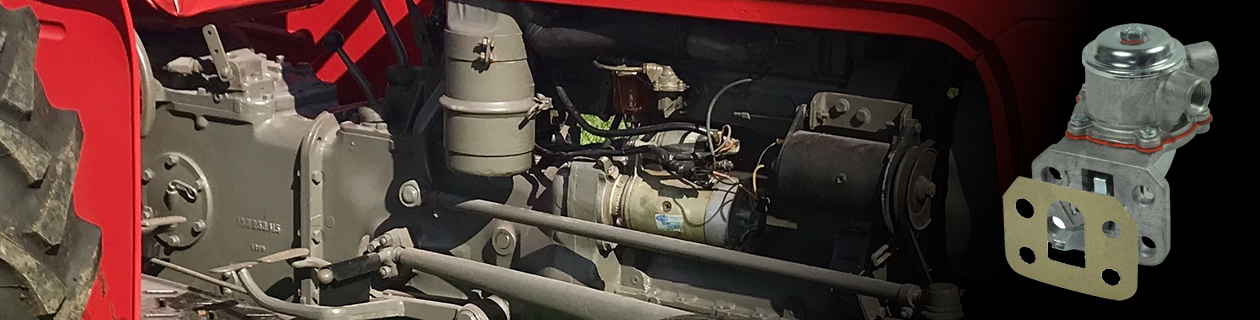
Tractors are the backbone of modern agriculture, serving as indispensable workhorses on farms worldwide. These powerful machines perform a multitude of tasks, from plowing fields and planting crops to hauling heavy loads. One critical component that ensures the smooth operation of a tractor is the often-overlooked but essential fuel pump. The fuel pump in a tractor is a vital component that plays a pivotal role in delivering the lifeblood of the engine – fuel. In this article, we will delve into the crucial role and significance of a fuel pump in a tractor, highlighting its functions, types, and the overall impact it has on the performance and efficiency of these agricultural workhorses.
View All Fuel PumpsHow does the fuel pump fit into the system?
The fuel pump is a key component within the fuel system of a tractor, and its location can vary depending on the tractor's make and model. However, in most tractors, the fuel pump is typically situated along the fuel delivery path between the fuel tank and the engine. Here's a general overview of where the fuel pump fits into the fuel system of a tractor:
Fuel Tank: The fuel system starts at the tractor's fuel tank, where fuel is stored until it's needed for the engine.
Fuel Line: From the fuel tank, a fuel line carries the fuel towards the engine compartment. This line is responsible for transporting fuel to the engine.
Fuel Filter: In some tractor designs, a fuel filter may be located along the fuel line. The fuel filter's primary function is to remove impurities and contaminants from the fuel before it reaches the engine. Clean fuel is essential for the proper functioning of the engine and to prevent damage to the fuel system components.
Fuel Pump: The fuel pump is usually located between the fuel tank and the engine. Its primary role is to draw fuel from the fuel tank and deliver it to the engine at a consistent pressure and flow rate. In many tractors, you may find two types of fuel pumps: mechanical and electric.
- Mechanical Fuel Pump: Older tractors often feature a mechanical fuel pump that is typically driven by the engine's camshaft. As the camshaft rotates, it actuates the mechanical fuel pump, which creates a vacuum to draw fuel from the tank and push it to the engine.
- Electric Fuel Pump: More modern tractors may be equipped with electric fuel pumps. These pumps use electrical power to create the necessary pressure to move fuel from the tank to the engine. They are often more precise in fuel delivery and can be controlled electronically for optimal fuel management.
Carburetor or Fuel Injection System: After leaving the fuel pump, the pressurized fuel enters the engine's carburetor or fuel injection system, where it is mixed with air and then delivered to the engine's combustion chambers. This mixture is crucial for the internal combustion process that powers the tractor.
The fuel pump in a tractor is strategically positioned in the fuel system to ensure a consistent supply of clean fuel to the engine. Its efficient operation is vital for maintaining tractor performance, reliability, and fuel efficiency, making it a critical component in the agricultural machinery's overall functionality.
Finding Fault with the fuel pump
Troubleshooting fuel pump issues on a tractor is essential to maintain its proper operation and prevent potential breakdowns. Here's a step-by-step guide to help you identify and address common fuel pump problems:
- Check Fuel Levels: Ensure that there is an adequate amount of fuel in the tractor's fuel tank. Low fuel levels can sometimes mimic fuel pump problems.
- Inspect Fuel Lines and Filters: Visually inspect the fuel lines and the fuel filter for any signs of damage, kinks, or blockages. Replace any damaged or clogged components as needed.
- Listen for Unusual Noises: When you turn the tractor's ignition key to the "On" position (without starting the engine), listen for the sound of the fuel pump. It should produce a humming or buzzing sound, indicating it's functioning correctly. If you don't hear anything, it could be a sign of a faulty fuel pump or electrical issue.
- Check Fuel Pump Fuse and Relay: Locate the fuse and relay responsible for the fuel pump in the tractor's fuse box or relay panel. Check if the fuse is blown or the relay is faulty. Replace any damaged components.
- Test Fuel Pressure: To determine if the fuel pump is delivering the correct pressure, you may need a fuel pressure gauge. Disconnect the fuel line at the carburetor or fuel injection system, attach the gauge, and turn the ignition key to the "On" position. The gauge should register the recommended fuel pressure for your tractor. If the pressure is too low or nonexistent, it indicates a fuel pump problem.
- Inspect Wiring and Connections: Check the wiring and electrical connections associated with the fuel pump. Look for loose, corroded, or damaged wires and connectors. Ensure that there is a proper electrical supply to the fuel pump.
- Test the Fuel Pump Directly: If you suspect a fuel pump issue and want to test it directly, disconnect the fuel line leading to the carburetor or fuel injection system. Place the end of the disconnected line into a container. Turn the ignition key to the "On" position. If the fuel pump is working correctly, it should pump fuel into the container. If there's no fuel flow, the fuel pump may be malfunctioning.
- Consider Fuel Pump Replacement: If you've gone through the above steps and still can't identify the issue, or if you've confirmed that the fuel pump is faulty, it may be necessary to replace the fuel pump. Ensure you select the correct replacement part for your tractor's make and model.
- Reassemble and Test: After replacing the fuel pump or addressing any issues found during troubleshooting, reassemble the components, and start the tractor. Monitor its performance and ensure that the fuel pump is now functioning properly.
- Regular Maintenance: To prevent future fuel pump problems, adhere to a regular maintenance schedule, including changing fuel filters and inspecting fuel lines and connections.
NOTE: If you are not confident in your ability to troubleshoot or replace the fuel pump yourself, it's advisable to seek assistance from a qualified tractor mechanic or technician who can diagnose and address the issue effectively. Proper maintenance and prompt resolution of fuel pump problems will help ensure the reliable operation of your tractor.
Need to replace a tractor's fuel pump?
Replacing a tractor's fuel pump is a critical task that requires attention to detail and adherence to safety precautions. Here are the steps and precautions to take when replacing a tractor's fuel pump:
Safety Precautions:
- Disconnect the Battery: Before beginning any work on the tractor, disconnect the battery to prevent accidental sparking or electrical mishaps.
- Work in a Well-Ventilated Area: Perform the replacement in a well-ventilated area to avoid inhaling fuel fumes, which can be harmful to your health.
- Wear Safety Gear: Wear appropriate safety gear, including safety glasses and gloves, to protect yourself from fuel, dirt, and potential debris.
- No Smoking or Open Flames: Ensure that there are no open flames, smoking, or ignition sources nearby when working with fuel. Even a small spark can ignite fuel vapors.
Suggested Steps to Replace a Tractor's Fuel Pump:
- Gather Necessary Tools and Parts: Ensure you have all the required tools and replacement parts, including the new fuel pump, gaskets, hoses, and clamps.
- Locate the Fuel Pump: Find the existing fuel pump on your tractor. It may be located near the fuel tank or along the fuel line.
- Disconnect the Fuel Lines: Carefully disconnect the fuel lines leading to and from the fuel pump. Place a container underneath to catch any fuel that may spill.
- Remove Mounting Bolts: If the fuel pump is secured with mounting bolts, remove them using the appropriate tools.
- Detach Electrical Connections: If the fuel pump is electric, disconnect the electrical wiring from the old pump.
- Remove the Old Fuel Pump: Gently lift the old fuel pump out of its mounting position.
- Prepare the New Fuel Pump: If necessary, prepare the new fuel pump by attaching any gaskets, hoses, or fittings as specified in the manufacturer's instructions.
- Install the New Fuel Pump: Carefully position the new fuel pump in the same location where the old one was removed. Secure it in place using mounting bolts or brackets.
- Reconnect Fuel Lines: Reconnect the fuel lines to the new fuel pump, ensuring that they are securely fastened and properly clamped.
- Reconnect Electrical Connections: If the new fuel pump is electric, reconnect the electrical wiring, following the manufacturer's instructions.
- Check for Leaks: Before starting the tractor, carefully inspect all fuel connections for any signs of leaks. If you notice any leaks, address them immediately.
- Reconnect the Battery: Once you are certain that there are no leaks and all connections are secure, reconnect the tractor's battery.
- Test the Tractor: Start the tractor and observe its operation. Ensure that the new fuel pump is functioning correctly and delivering fuel to the engine as it should.
- Dispose of Old Parts Safely: Properly dispose of the old fuel pump and any other replaced components in accordance with local environmental regulations.
- Record Maintenance: Keep a record of the fuel pump replacement, including the date and any relevant details. This will help with future maintenance and troubleshooting.
Remember that tractor models may vary, so always consult your tractor's service manual for specific instructions and torque specifications. If you are unsure about any aspect of the replacement process or if you encounter difficulties, it is advisable to seek assistance from a qualified tractor mechanic or technician to ensure a safe and successful fuel pump replacement.
Finding a replacement fuel pump
Sourcing a replacement fuel pump for your tractor can be done through various channels, both online and offline. Here are some common places where you can find a replacement fuel pump:
Tractor Dealerships: Contact the dealership where you purchased your tractor or a dealership that specializes in your tractor's brand. They often carry genuine replacement parts, including fuel pumps specifically designed for your tractor model.
Agricultural Equipment Stores: Local agricultural equipment stores or supply centers may stock replacement parts for tractors. They can be a valuable resource for finding the right fuel pump for your tractor.
Online Retailers: Many online retailers and e-commerce platforms, such as Amazon, eBay, and specialized agricultural equipment websites, offer a wide range of tractor parts, including fuel pumps. Make sure to provide accurate information about your tractor's make, model, and year to find the correct part.
Tractor Parts Catalogs: Some tractor manufacturers or third-party companies produce comprehensive tractor parts catalogs. These catalogs often contain detailed listings of replacement parts, making it easier to find the right fuel pump for your tractor.
Local Auto Parts Stores: In some cases, especially for smaller tractors or those with gasoline engines, you may find compatible fuel pumps at local auto parts stores. Ensure that the specifications match the requirements of your tractor.
Tractor Salvage Yards: Tractor salvage yards or agricultural equipment salvage yards can be an option if you're looking for a more budget-friendly alternative. You may find used or refurbished fuel pumps that are still in good condition.
Manufacturer's Website: Visit the official website of the tractor manufacturer. Some manufacturers offer online parts stores or resources to help you locate authorized dealers and distributors.
Local Repair Shops and Mechanics: Local tractor repair shops and mechanics who specialize in agricultural equipment may have access to sources for replacement parts, including fuel pumps.
Online Forums and Communities: Join online tractor forums and communities where tractor owners and enthusiasts discuss maintenance and repairs. You can often find recommendations for reputable suppliers and sources for tractor parts.
When sourcing a replacement fuel pump, be sure to provide as much information about your tractor as possible, including the make, model, year, and engine type, to ensure you get the correct part. Additionally, verify the quality and compatibility of the fuel pump to ensure it meets your tractor's specific requirements.
Disclaimer: MalpasDirect (Malpas Tractors Ltd, Curvica Ltd) does not provide any warranty or guarantee as to the accuracy of any information on this website and cannot accept liability for any errors or omissions. The information in this article are for general information purposes only. It does not constitute legal, technical and/or commercial advice and should not be relied upon as such. Specific advice should always be sought separately. Despite the our best efforts the information provided in this article may not be accurate, up to date or applicable to the circumstances of any particular case. MalpasDirect (Malpas Tractors Ltd, Curvica Ltd) also make no representations or warranties of any kind regarding the completeness or accuracy of the information contained herein and accepts no liability for loss or damage whatsoever and howsoever arising from reliance on it, regardless of whether such information originates from MalpasDirect (Malpas Tractors Ltd, Curvica Ltd). MalpasDirect (Malpas Tractors Ltd, Curvica Ltd) has no control over the content on any other website accessed through this website and accepts no liability for any loss or damage whatsoever and howsoever arising from reliance upon the content of such websites. MalpasDirect (Malpas Tractors Ltd, Curvica Ltd), regarding the content on the website cannot be liable to any person for any loss or damage which may arise from the use of the information contained in this article or on this website. These exclusions of liability will not apply to damages arising from death or personal injury caused by the negligence of MalpasDirect (Malpas Tractors Ltd, Curvica Ltd) or any of its employees or agents or of a reviewer or contributor of content.